Exploring the Function of an Arborist: Essential Services for Tree Health and Upkeep
An certified arborist is vital for sustaining tree vitality and long life. Arborists use specialized knowledge to assess trees and create individualized care strategies. This includes pruning, identifying diseases, and controlling soil health. Tree care professionals play a crucial role in fostering sustainable tree growth. Their expertise not only enhances the beauty of landscapes but also supports ecological equilibrium. Grasping their essential functions can reveal the vital impact they have on developed and undeveloped environments alike.
The Significance of Arborists in Tree Management
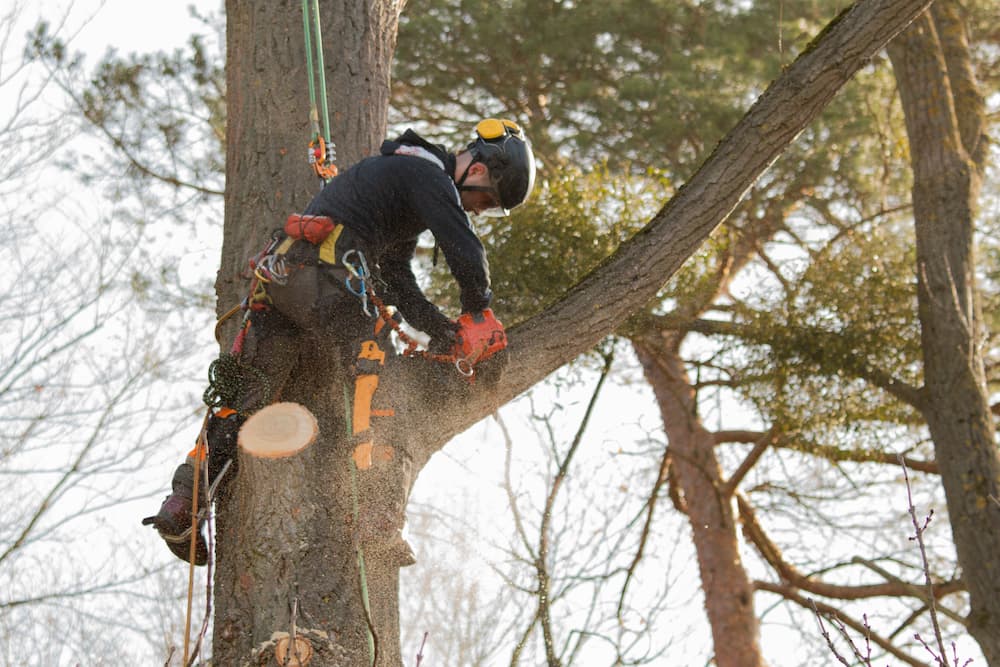
Even though many homeowners may fail to appreciate the role of arborists, their expertise is crucial for maintaining tree vitality and long life. Tree specialists are skilled practitioners who specialize in the care and maintenance of trees. They possess in-depth knowledge of tree life science, diseases, and environmental factors affecting growth. By examining tree health, arborists can spot potential problems, ranging from pest infestations to nutrient deficiencies.
Their offerings encompass a number of important tasks, including soil management, tree assessments, and overall maintenance strategies. Arborists also play a important role in ensuring trees are planted in suitable locations, considering elements such as sunlight, drainage, and space for development. Their recommendations allows homeowners to make informed choices that promote sustainable tree growth. By hiring arborist services, homeowners not only boost the aesthetics of their landscapes but also aid the ecological health of their environment, ensuring trees grow strong for future generations.
Fundamental Tree Pruning Practices
Proper tree pruning practices are vital for maintaining healthy and flourishing trees. Arborists utilize various techniques to strengthen tree structure, promote growth, and take away dead or diseased limbs. One essential technique is crown reduction, which includes selectively cutting back branches to increase light penetration and air circulation. A further significant technique is crown lifting, where the bottom limbs are trimmed to improve clearance and visibility. In addition, the practice of reducing the crown reduces the size of a tree’s canopy, reducing strain while upholding its structure.
Proper scheduling is key; cutting back is generally most effective during its resting phase in late winter or early spring. This reduces the loss of sap and fosters vigorous growth. Arborists recommend using clean, sharp instruments to create clean incisions, which assists in avoiding damage to the tree. Overall, these important procedures not only improve aesthetic appeal but also significantly impact the tree's total vitality and long-term survival.
Tree Planting and Transplanting

When planning the introduction of new trees, correct methods for planting and moving trees are essential for ensuring their thriving development and fitting into the surrounding area. Arborists stress the necessity of choosing the correct type of tree for the location's environment, as well as preparing the planting hole correctly. The hole should be wide enough to fit the entire root ball, facilitating natural root spread and air circulation
When transplanting, precautions must be observed to reduce disruption to the roots, which might obstruct the tree's chance to become rooted in the new location. Arborists advise moving trees during the winter rest period to lower the impact on the tree
(Florence Arborist)After planting or relocation, sufficient water and ground cover are crucial for aiding the tree's establishment. Arborists also advise monitoring the tree’s growth and modifying maintenance routines as needed to guarantee a healthy shift into the surrounding environment, ultimately contributing to a thriving landscape
Identifying Tree Illnesses and Infestations
What is the best way to recognize the indicators of tree maladies and pests? Arborists rely on an expert grasp of tree biology and surrounding influences useful tips to determine the cause of these ailments. Symptoms such as foliage discoloration, slowed development, or early defoliation frequently signal hidden issues. Additionally, the occurrence of strange protuberances, such as abnormal swellings, can signal infections or insect activity.
Arborists also examine the bark for lesions, holes, or sawdust-like material, which might indicate bugs are at work. Examining the soil and the immediate surroundings contributes to finding stress factors like inadequate drainage or lack of nutrients. Understanding seasonal cycles is crucial, because some pests appear at particular times.
Tree Condition Reports and Maintenance Plans

Which methods can be used to ensure optimal tree health? Tree specialists typically start with thorough tree health assessments, involving a careful review of the tree's current status, covering its physical structure, leaves, and root structure. This review assists in finding possible problems like illnesses, insects, or environmental pressures. Subsequent to the assessment, a specific management strategy is formulated, focusing on individual needs
Typical elements of these programs cover correct watering routines, fertilization techniques, and pruning practices to enhance growth and resilience - Florence Arborist. Additionally, arborists may recommend applying mulch and managing the soil to enhance the availability of nutrients and retain water. Routine checking is vital, making it possible to adjust to the management program as conditions change. By implementing these strategies, tree health and survival can be greatly improved, ensuring they thrive in their surroundings and simultaneously benefiting the broader ecosystem
The Function of Tree Specialists in City Tree Management
Arborists are vital in municipal tree care by managing and maintaining the condition of trees in urban settings. Their specialized knowledge significantly adds to the ecosystem's steadiness and aesthetic value of metropolitan regions. Tree specialists participate in planting trees, guaranteeing the right species are chosen based on local conditions and urban planning needs. They perform routine health evaluations to identify diseases, pests, and structural issues, carrying out focused interventions to boost the well-being of the trees.
In addition, arborists develop and execute maintenance plans that include trimming, feeding, and watering, maximizing tree development and lifespan. Arborists also inform residents about the importance of trees and correct maintenance techniques. By collaborating with city planners and conservation agencies, arborists contribute to sustainable urban development, encouraging varied life forms and bettering the air we breathe. Their efforts are vital for establishing natural areas which help both inhabitants and the ecosystem, ultimately fostering healthier urban ecosystems.
FAQs
Where Can I Locate a Certified Arborist Near Me?
To find a qualified tree specialist in your vicinity, it is advisable to check online listings, ask at local nurseries, or reach out to tree care associations. Make sure to check their qualifications and check feedback to guarantee quality service.
What Expertise is Necessary in an Arborist?
If you are hiring an arborist, you ought to check for certifications such as ISA or ASCA, appropriate background, insurance coverage, and a solid reputation based on feedback. These qualifications guarantee professionalism and knowledge in tree care and upkeep.
Is There a Best Time for Tree Pruning?
Pruning trees works best during the end of winter or the beginning of spring when trees are dormant. Yet, some species are better suited for summer pruning. The schedule is based on the tree type and unique development cycles to encourage well-being and structure.
What is the Price Range for Arborist Work Typically Cost?
Tree care services generally range between $300 and $1,500, depending on factors such as tree size, location, and the complexity of the job - Florence Arborist. Prices may vary considerably based on local market needs and service provider skill level
Am I Able to Do Tree Work Without Professional Help?
Absolutely, you can manage basic tree care without professional help, for example watering and mulching. However, for difficult jobs, like pruning or checking for sickness, it is advisable to hire a qualified tree expert to maintain healthy trees.